

Can Screen Enclosures Be Damaged by Salt Air?
Living near the coast in Palm Beach County offers beautiful outdoor views, but salt air can create maintenance concerns for outdoor structures. In this blog, Palm Beach Aluminum explains how salt air may affect screen enclosures in Palm Beach County, what signs of wear to watch for, and why proper materials, cleaning, and installation matter.
Understanding Salt Air and Its Effects
Salt air is a common phenomenon in coastal regions, where the ocean’s proximity results in higher concentrations of salt in the air. This salty mist can travel farther inland, carrying with it the potential to cause corrosion and other damage to various materials. But how does this affect screen enclosures specifically?
The Corrosive Nature of Salt Air
Salt is a naturally corrosive substance. When it comes into contact with metal surfaces, it can speed up the oxidation process, leading to rust and deterioration. For screen enclosures, which often feature metal components, this can be an important concern. The constant exposure to salt air can reduce the lifespan of these structures, making it essential to choose materials that can withstand such harsh conditions.
Impact on Screen Enclosures in Palm Beach County
In areas where salt air is a persistent presence, homeowners should pay attention to the maintenance and material choice for their screen enclosures in Palm Beach County. Without proper care and the right materials, the damage from salt air can lead to costly repairs and replacements.
Materials That Resist Salt Air Corrosion
When it comes to building screen enclosures that can withstand the corrosive effects of salt air, choosing the right materials is important. Here are some materials known for their resistance to salt air corrosion:
Aluminum
Aluminum enclosures are commonly used for screen enclosure frames because it is lightweight, durable, and suitable for many outdoor applications. In coastal areas, however, salt air can still affect metal components over time, so proper material selection, installation, cleaning, and maintenance are important.
Stainless Steel
Stainless steel is another strong option for screen enclosures exposed to salt air. Its alloy composition includes chromium, which forms a protective layer on the surface, preventing rust and corrosion. While it may be more expensive than other materials, the long-term benefits of using stainless steel can help justify the cost.
Vinyl-Coated Fiberglass
Vinyl-coated fiberglass is a non-metal alternative for screen enclosures that offers excellent resistance to salt air. The vinyl coating protects the fiberglass from moisture and salt, making it a durable choice for coastal environments.
Maintaining Screen Enclosures in Coastal Areas
Even with the right materials, regular maintenance is important to help extend the life of screen enclosures in salt air environments. Here are some maintenance tips to help protect your investment:
Regular Cleaning
One of the easiest ways to prevent salt air damage is through regular cleaning. Rinsing your screen enclosures with fresh water can help remove salt deposits before they cause corrosion. It’s helpful to clean your enclosures at least once a month, or more frequently if you live very close to the ocean.
Inspect for Damage
Routine inspections are important to identify any early signs of corrosion or damage. Look for rust spots, loose screws, or any signs of wear and tear. Addressing these issues early can prevent further damage and extend the life of your enclosures.
Apply Protective Coatings
Applying a protective coating to metal components can provide an additional layer of defense against salt air. These coatings are designed to prevent moisture and salt from reaching the metal surface, helping reduce corrosion risk.
How Palm Beach Aluminum Can Help
At Palm Beach Aluminum, we understand the challenges that salt air presents to homeowners in Palm Beach County. Our expertise in screen enclosures ensures that we provide solutions tailored to withstand coastal conditions. Here’s how we can help:
Quality Materials
We use only the highest quality materials, such as aluminum and stainless steel, to ensure that our screen enclosures are built to last. Our focus on durability means that you can enjoy your outdoor spaces without worrying about early wear and tear.
Professional Installation
Our team of experts is trained to install screen enclosures with precision and care. Proper installation is important to ensure that your enclosure can resist the effects of salt air and other environmental factors.
Custom Solutions
Every home is unique, and we offer custom solutions to meet your specific needs. Whether you need a new screen enclosure or are looking to upgrade an existing one, our team can provide options that balance aesthetics, functionality, and durability.
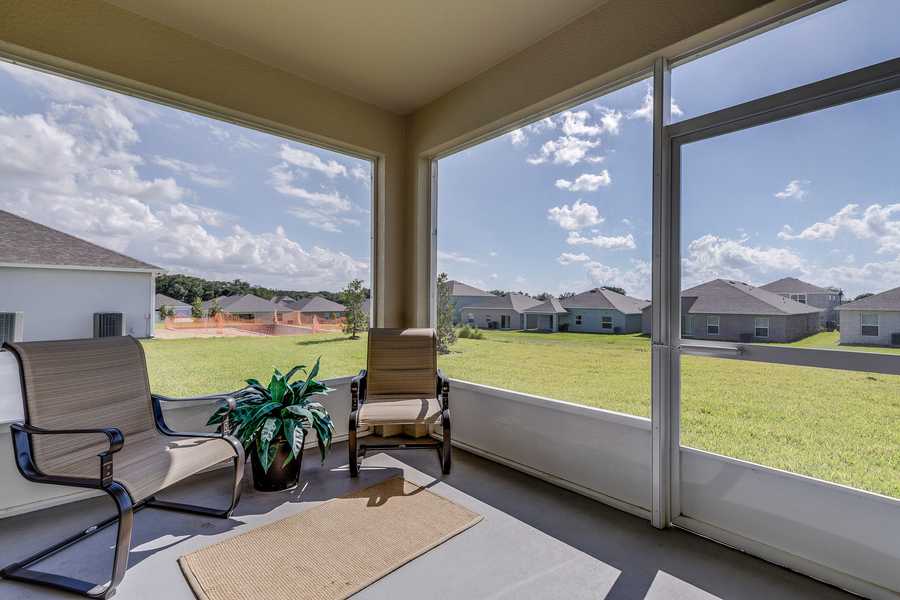
Screen enclosures are a valuable addition to any coastal home, offering protection from pests and debris while allowing you to enjoy the outdoors. However, the presence of salt air in places like Palm Beach County requires careful consideration when selecting materials and maintaining these structures. By opting for materials like aluminum and stainless steel, and by following proper maintenance practices, you can help reduce the risk of salt air corrosion.
At Palm Beach Aluminum, we are committed to helping homeowners protect their investments. Our expertise in designing and installing screen enclosures that withstand the challenges of salt air environments is unmatched. If you’re considering a new screen enclosure or need assistance with an existing one, contact us today to learn more about our services.